Discover Haarlemmermeer by bike! The Polder Route (47 km) starts in Hoofddorp and takes you past pumping stations, the Amsterdam Defence Line, and De Olmenhorst Estate. Plan your ride today!
Polder Route: cycling through the heart of Haarlemmermeer
The Polder Route is the ultimate cycling route to truly get to know the south of Haarlemmermeer. In 47 kilometers, you cycle through an open polder landscape full of history, nature, and surprising sights. This route was developed by the Dutch Tourist, who explored Haarlemmermeer with fresh eyes — and discovered how much beauty the municipality has to offer.
Directions
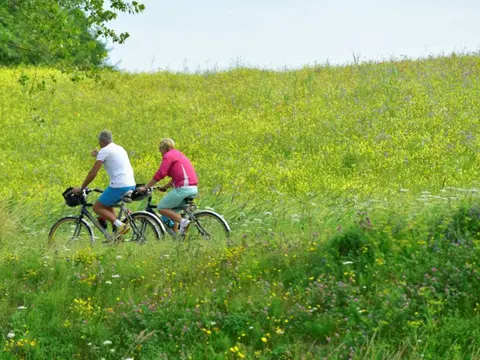
You start at the Haarlemmermeerse Bos, a green recreational area on the edge of Hoofddorp. Here you can smell the pine trees and hear birds singing above the Spartelvijver. From the forest, you cycle into the open polder landscape, where wide skies and straight ditches dominate the scenery. The horizon is distant — typical of a drained lake.
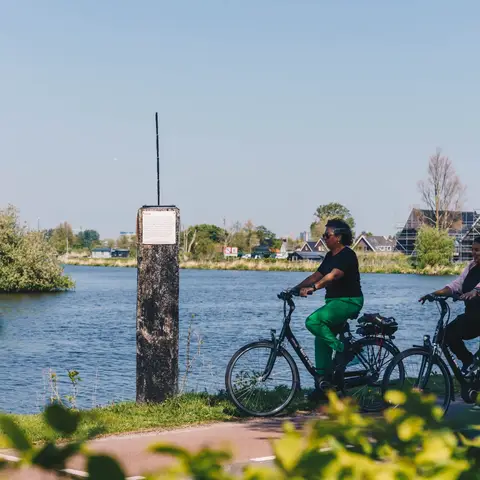
Along the way, you will pass story posts that take you on a journey through the rich history of the Haarlemmermeer. You will pass the impressive Cruquius Pumping Station, a UNESCO-nominated industrial monument, and the historic Leeghwater Pumping Station. Both pumping stations played a key role in the draining of the polder in the nineteenth century.
The route winds along the Ringvaart, the waterway that surrounds the polder. You see aquatic plants, reed banks, and the occasional rowboat or canoe drifting peacefully past. Next, you cycle along the Defence Line of Amsterdam, a UNESCO World Heritage Site consisting of forts and inundation fields. Fort bij Aalsmeer, with its accompanying museum, is a real eye-catcher. In spring, the fruit trees on the De Olmenhorst Estate are in bloom—a picturesque sight to cycle through.
Highlights along the way
- Haarlemmermeerse Bos – The starting point of the route: a vast forest and recreation area with ponds, playgrounds, and walking paths.
- Cruquius Pumping Station – An iconic steam pumping station that helped drain the Haarlemmermeer in the nineteenth century. Today an impressive museum.
- Amsterdam Defence Line – A UNESCO World Heritage Site: a ring of forts and water lines around Amsterdam, built between 1880 and 1914.
- Fort Aalsmeer – A well-preserved fort from the Amsterdam Defence Line with a fascinating museum about aerial warfare and resistance.
- De Olmenhorst Estate – A picturesque estate with orchards, a farm shop, and De Fruitloods: ideal for a well-deserved break.
Background story
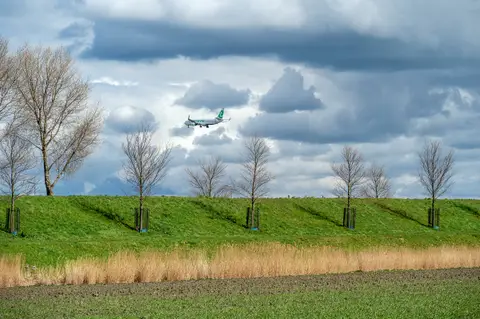
Until 1852, the Haarlemmermeer was a large inland lake — the Haarlemmermeer — that regularly caused flooding. With three steam pumping stations, including Cruquius, the lake was drained over a period of four years. This created a new polder of over 180 km², laid out as a rational piece of the Netherlands with straight roads, perfectly straight ditches, and geometric plots. You can still see this planned layout everywhere as you cycle through the polder.
Tips and practical information
- Starting point: Haarlemmermeerse Bos, Hoofddorp (from playground to Spartelvijver)
- Distance: 47 km (recreational cycle route, suitable for all levels)
- Route map: View and download the route via RouteYou
- Accessibility by public transport: Hoofddorp Station (Intercity and Sprinter) is a short bike ride from the starting point. Take the train to Hoofddorp and cycle straight to the Haarlemmermeerse Bos.
- Signage: The route is described by the Dutch Tourist; use the RouteYou app or GPX file for navigation along the way.
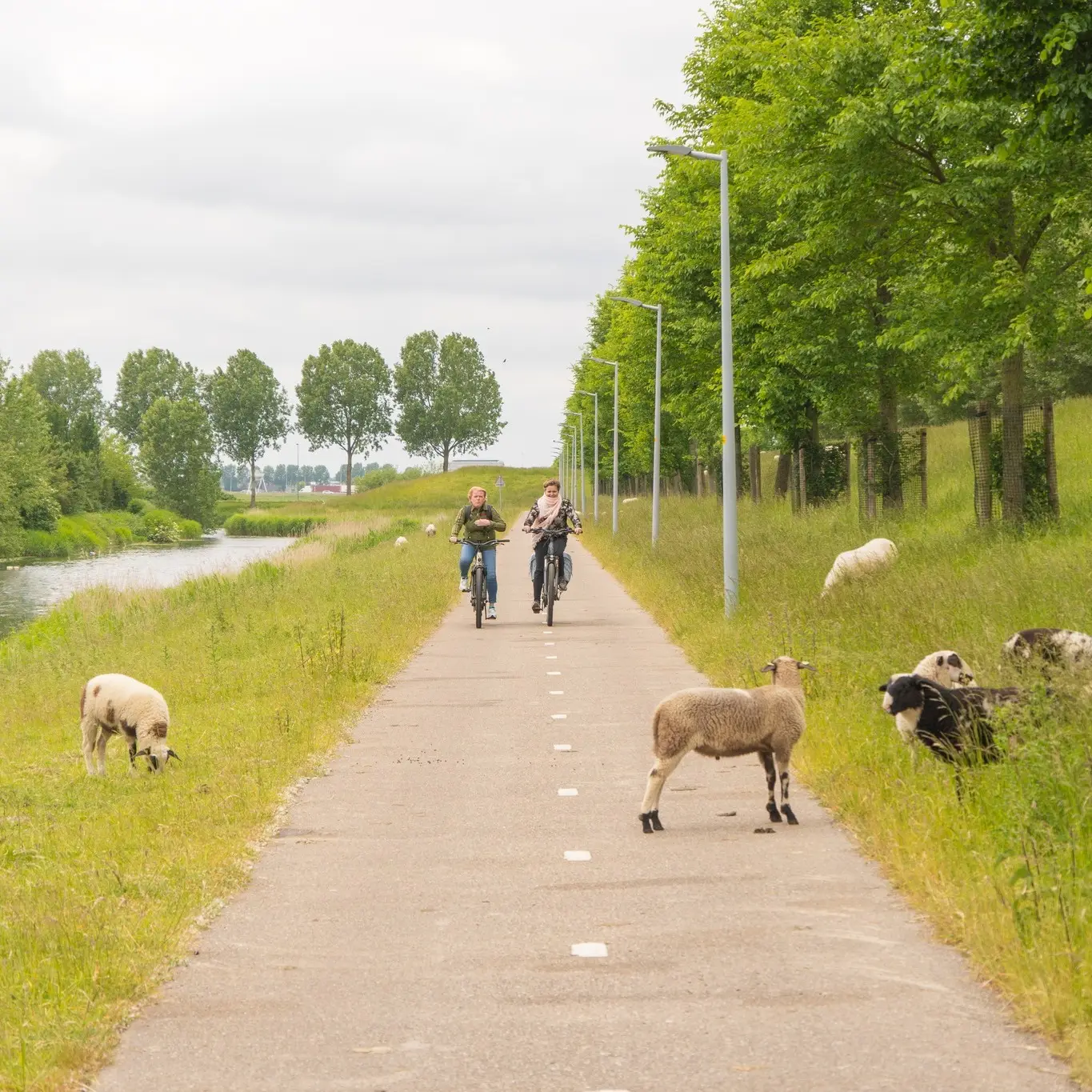
- Accessibility: The route is predominantly on paved cycle paths; largely suitable for regular bicycles and e-bikes.
- Food and drink: Along the way, there are several catering establishments, such as De Fruitloods at Landgoed De Olmenhorst, Brasserie Matt's in Buitenkaag, and Restaurant Geoff's in Aalsmeerderbrug.
- Season: Most beautiful in spring (blooming fruit trees at Olmenhorst) and summer (long bike rides in the evening sun across the polder).
The Haarlemmermeer Polder Route combines unique landscape with fascinating history. From land reclamation to UNESCO Heritage: this route tells the story of how man has conquered the water.
Kenmerken
- Accessible by public transport